“In Memory of the North American Martyrs”
Jonathan Weiss
on
May 29, 2026
Literary Arts
“In Memory of the North American Martyrs”
James Matthew Wilson Ph.D. (Poet-in-Residence)
Jonathan Weiss
on
May 29, 2026
Jonathan Weiss
on
May 27, 2026
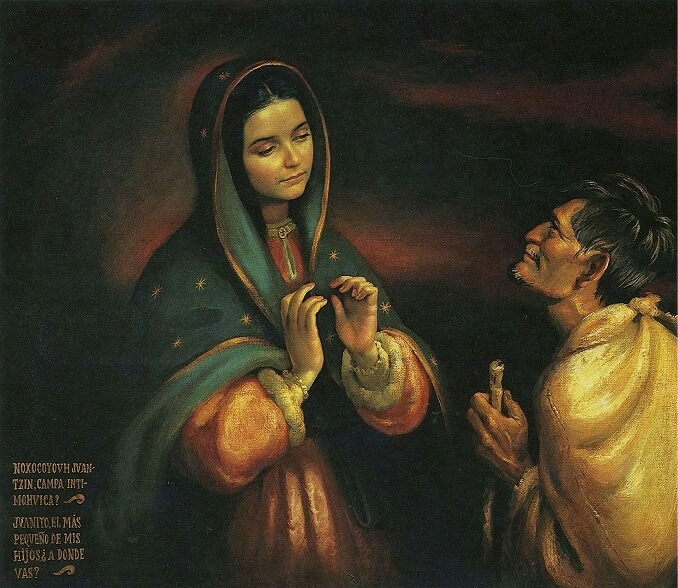
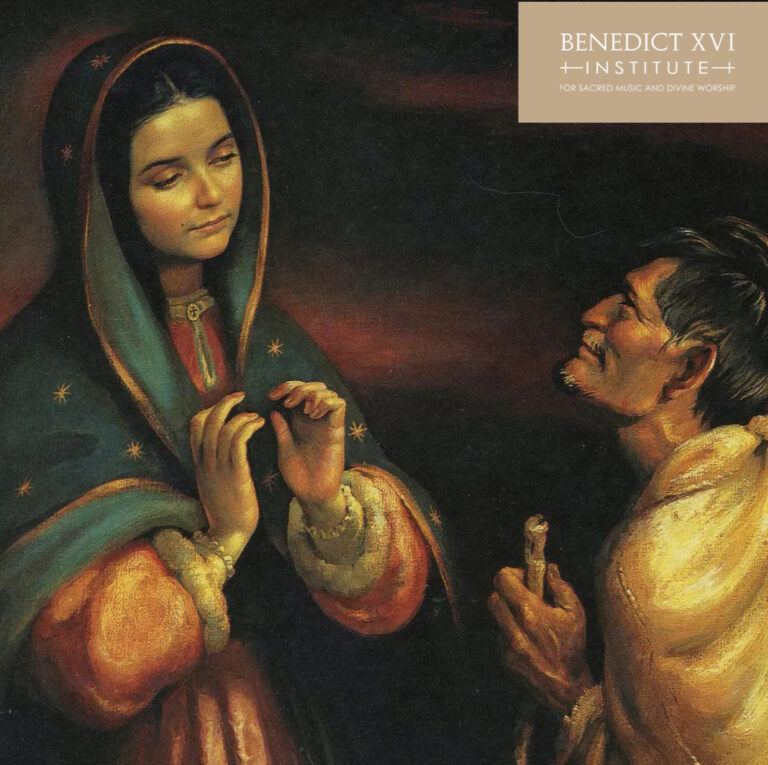
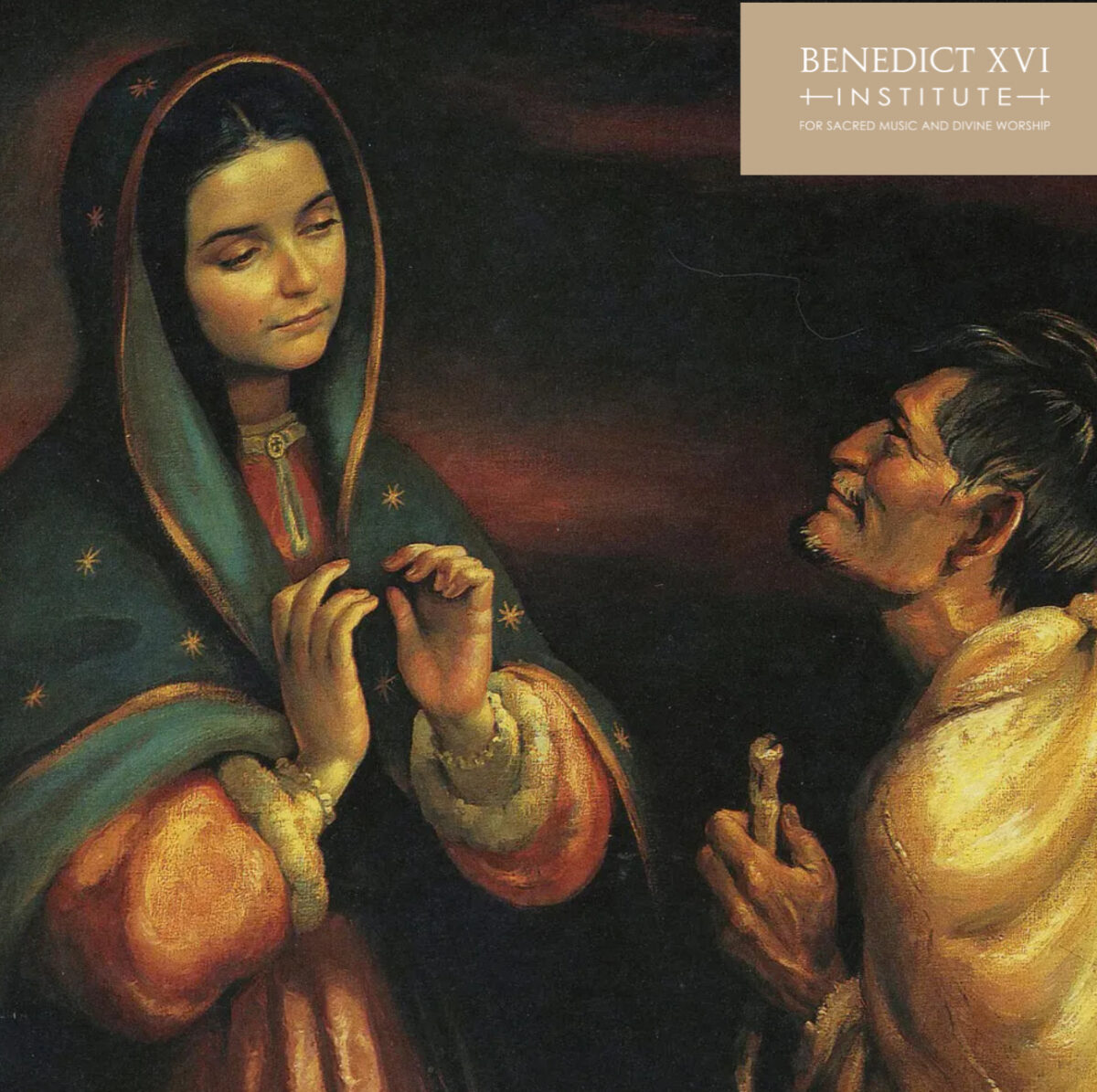
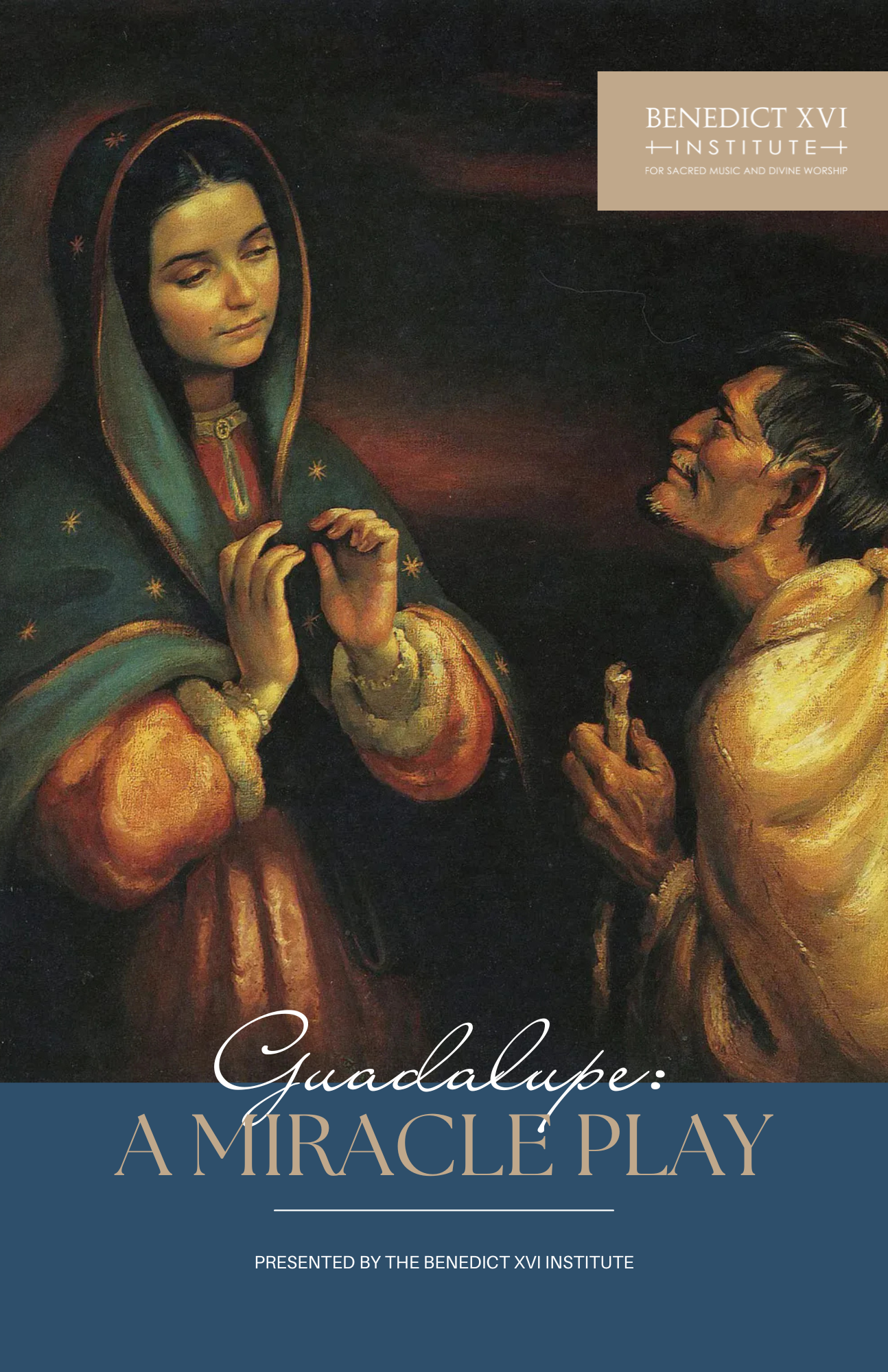
Guadalupe: A Miracle Play is a short dramatic reading adapted from the oldest known account of Our Lady’s apparition to St. Juan Diego (from the year 1649). Designed for families or small groups, it brings the Tepeyac story to life through simple roles and dialogue. The play highlights the tender language Our Lady used and the rich symbols that spoke to both Spanish and native peoples. It offers a beautiful way to enter more deeply into the miracle of Guadalupe and the message she came to give.
The miracle play is included in the Home Enthronement Kit, but you can download it as a standalone piece.
Jonathan Weiss
on
May 27, 2026
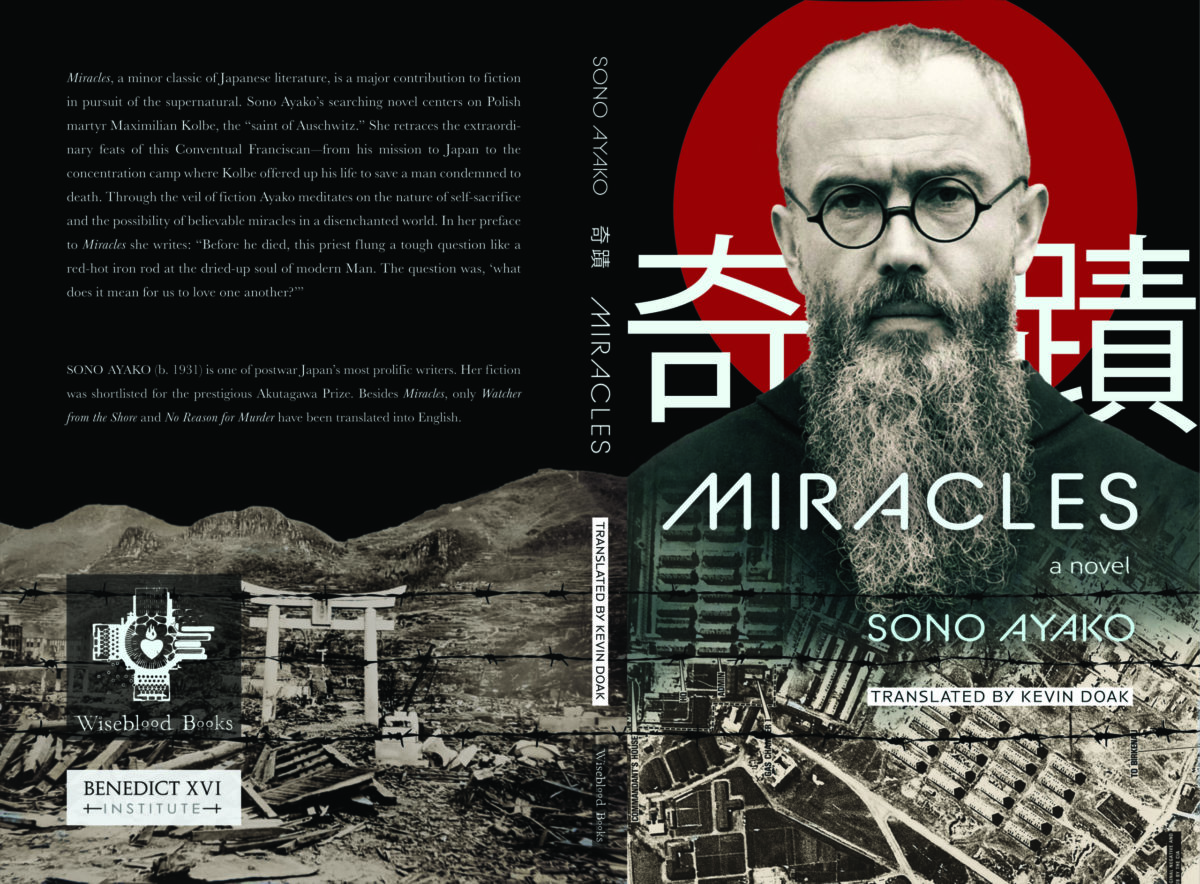
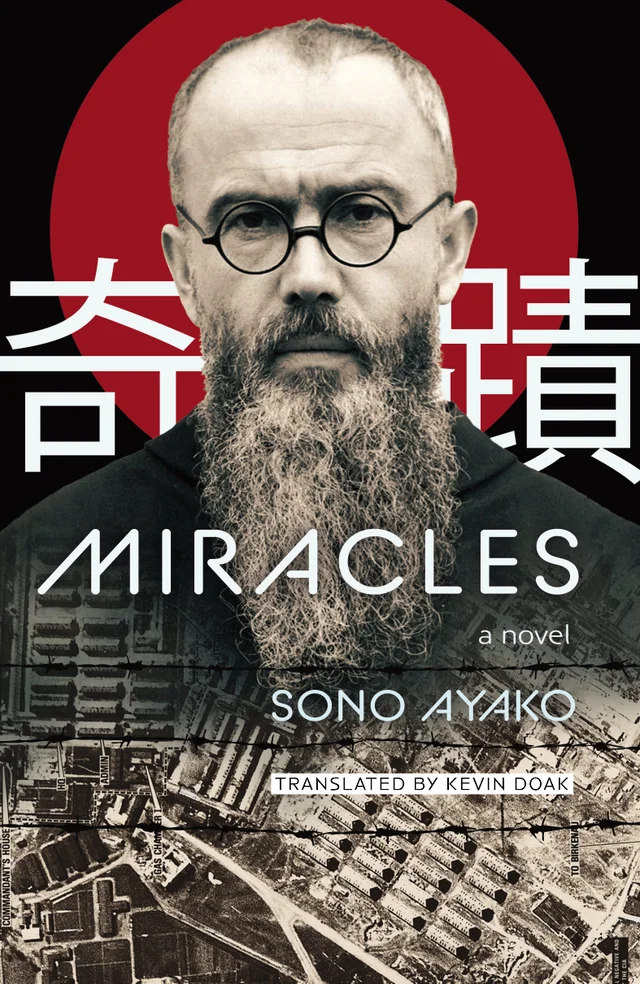
Miracles, a minor classic of Japanese literature, is a major contribution to fiction in pursuit of the supernatural. Sono Ayako’s searching novel centers on Polish martyr Maximilian Kolbe, the “saint of Auschwitz.” She retraces the extraordinary feats of this Conventual Franciscan-from his mission to Japan to the concentration camp where Kolbe offered up his life to save a man condemned to death.
Through the veil of fiction Ayako meditates on the nature of self-sacrifice and the possibility of believable miracles in a disenchanted world. In her preface to Miracles she writes: “Before he died, this priest flung a tough question like a red-hot iron rod at the dried-up soul of modern Man. The question was, ‘what does it mean for us to love one another?'”
Sono Ayako (b. 1931) is one of postwar Japan’s most prolific writers. Her fiction was shortlisted for the prestigious Akutagawa Prize. Besides Miracles, only Watcher from the Shore and No Reason for Murder have been translated into English.
‘What does it mean for us to love one another?’
Jonathan Weiss
on
May 27, 2026
Jonathan Weiss
on
May 27, 2026
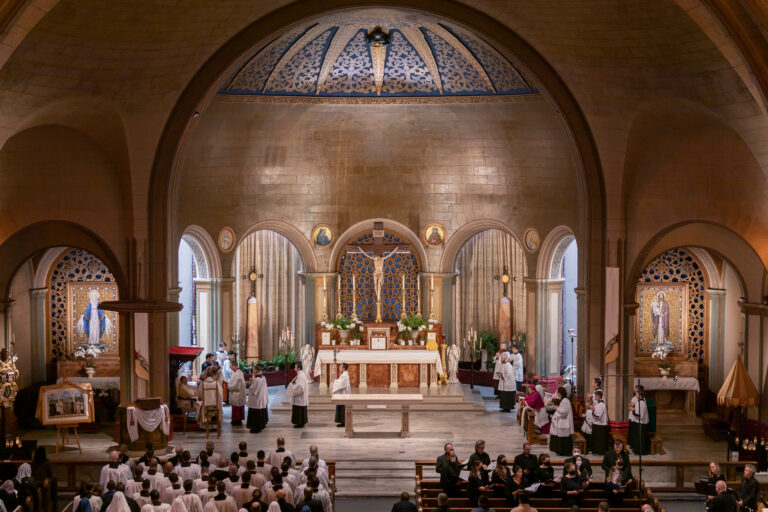
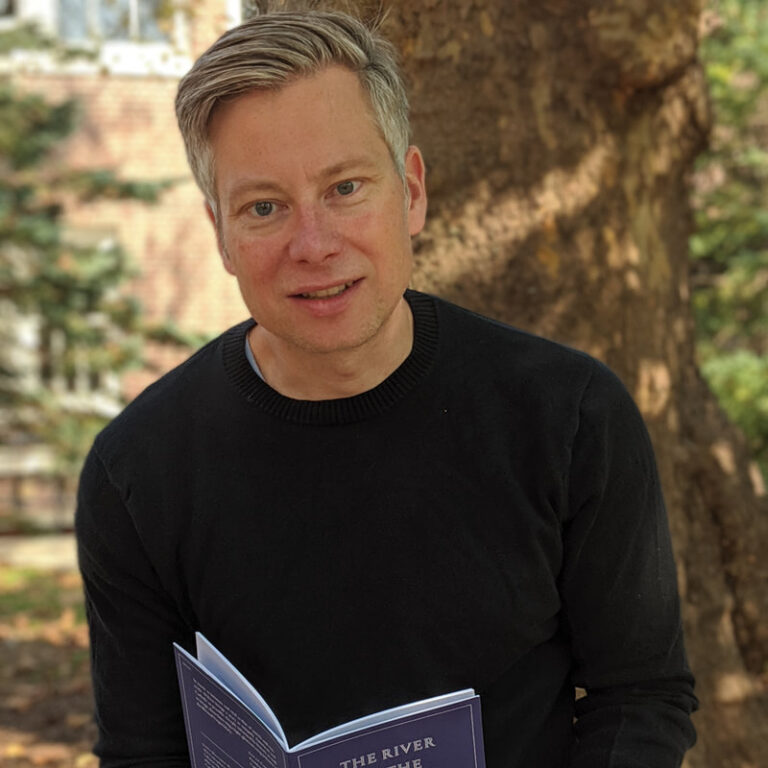
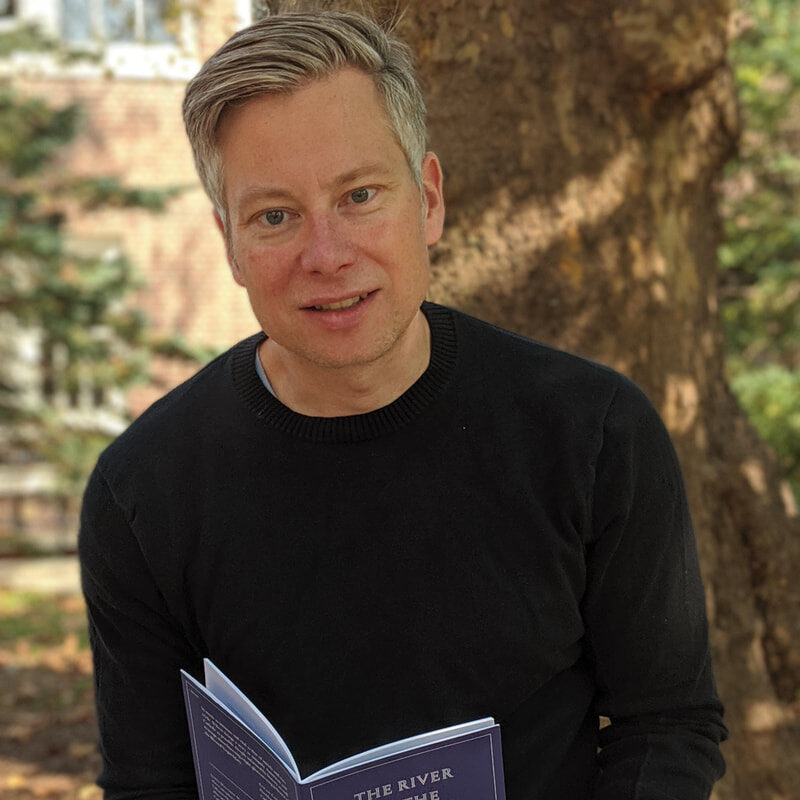
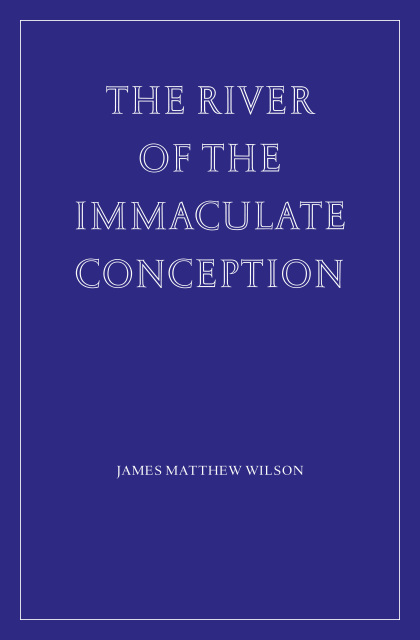
James Matthew Wilson’s new poem The River of the Immaculate Conception is at once a commemoration of composer Frank LaRocca’s Mass of the Americas and a meditation on the history and place of Catholicism in North America. Ranging from St. Mary’s Cathedral, in present-day San Francisco, back to the apparition of Our Lady of Guadalupe to Juan Diego, and on to the conversion of Elizabeth Seton, Wilson’s poem speaks of a land with a sacred mystery at its heart. Just as the French Jesuits first named the Mississippi in honor of the Immaculate Conception, so does Wilson’s poem offer a history of America as a place of grace, a stage where the words of the Christian faith are with pain and struggle discerned and understood so that they may give form to the destiny of an entire people. Liturgical in form and epic in scope, River is a gift to the Church and a new entry in the long tradition of Catholic literature.
“In music as intimate and vital as that of auricle and ventricle, Wilson brings a story as uniquely American and Catholic as possible. Deeply informed by history as well as image, these lines sing a tight, glorious song in honor of the Blessed Virgin Mary.”
Sarah Cortez
President and Founder, Catholic Literary Arts
Jonathan Weiss
on
May 27, 2026
The Case for Guadalupe (forthcoming from Ignatius Press) lays out the powerful historical evidence for the appearance of Our Lady of Guadalupe.
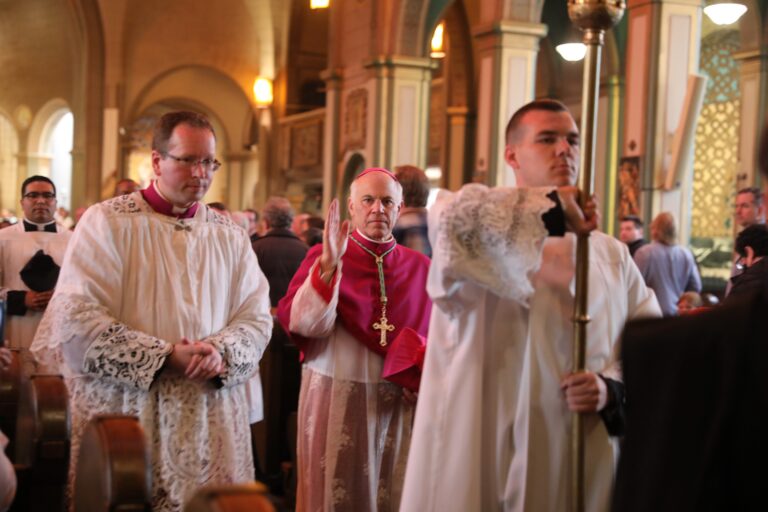
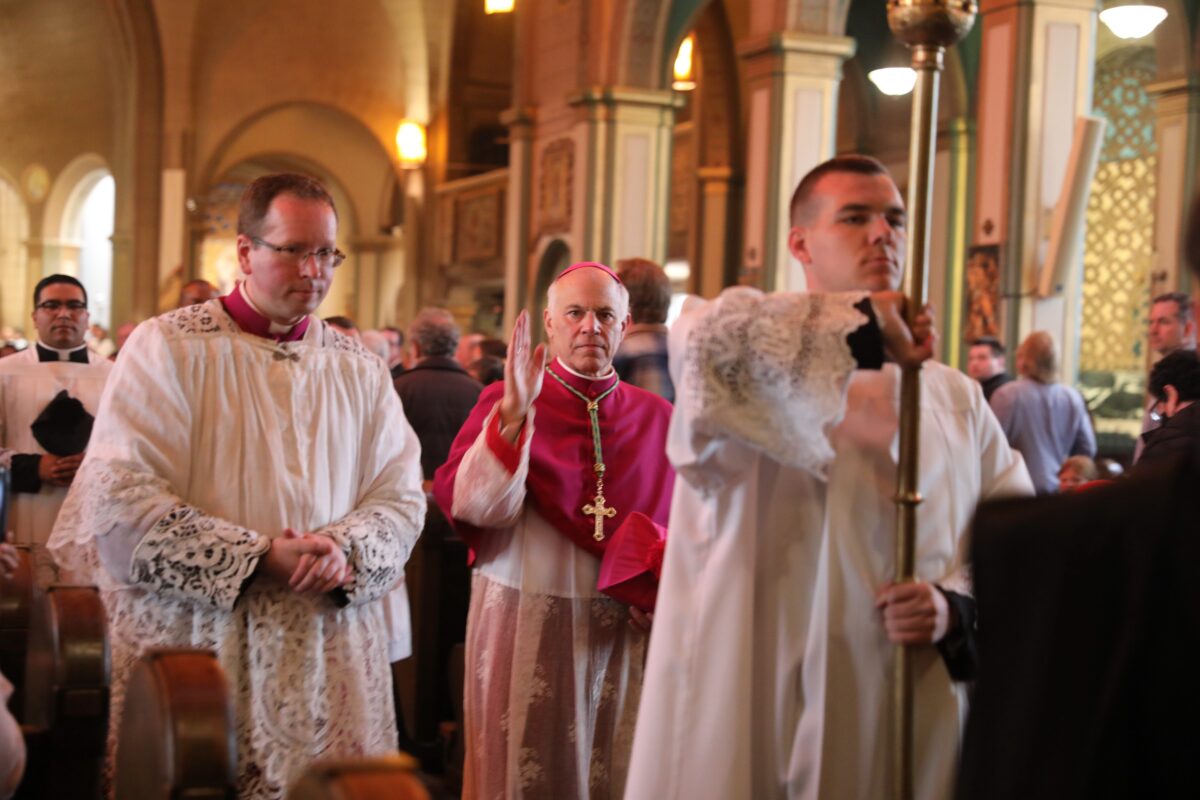
Archbishop Cordileone will introduce the book with a reflection on the profound importance of Our Lady of Guadalupe in the history of the Church in the Americas and an introduction to Guadalupan spirituality.
This book is needed because first-generation Latino and other students are taking university courses that claim Our Lady of Guadalupe is a myth, a lie, or even sometimes an Aztec goddess. No-one can be forced to believe in miracles of course but the historical record that something important happened in 1531 in a small village of Tepeyac outside of Mexico city is overwhelming.
The Case for Guadalupe will provide easy access to this historical record, bringing faith and reason together.
To support Project Guadalupe 2031, click here or email us at giving@bxvi.org.
Jonathan Weiss
on
May 27, 2026
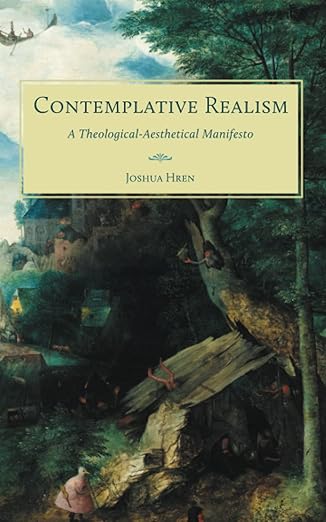
As ever, but especially in our present age of raging post-truth unreality, we ought to heed Pope Benedict XVI’s summons to “ask rather more carefully what ‘the real’ actually is.” So-called “realism,” when relegated to material tangibilities, can blind us—instead of binding us—to things as they are. “Are we not interested in the cosmos anymore?”
Benedict asks. “Are we today really hopelessly huddled in our own little circle? Is it not important, precisely today, to pray with the whole of creation?” If this preeminent mind of our time is not wrong, and “the man who puts to one side the reality of God is a realist only in appearance,” then we ought to ask with unflinching intensity and openness: what is real?
Like liturgy, literature asks this question with a range of forms that answer it very differently. At times, both art and worship seem to devolve into the manners and mood of self-referential and inconsequential play, gestures without meaning, or “bank notes” (says Benedict) “without funds to cover them.”
These too-closed circles of communication wall off transcendence. In living cruciform liturgy—on the contrary—“the congregation does not offer its own thoughts or poetry but is taken out of itself and given the privilege of sharing in the cosmic song of praise of the cherubim and seraphim.” In living contemplative literature something analogous happens: we suffer and praise with the whole of creation; the prose cultivates a grateful disposition, prompting us to yearn for a vision of the whole.
But this manifesto on behalf of a “contemplative realism” makes no claims to create, ex nihilo, a new aesthetical species. Nor does it advance this rough school of literary fish as some preeminent or sole “way forward” for fiction in our time. Rather, it seeks to articulate a literary approach that exists already in diffuse books as well as in the potencies of living artists. It seeks to gather and galvanize those souls. More than anything, it yearns to quicken a contemplative realist disposition among as many comers as possible—literary chops or no. For, in a very bad way (to borrow from Josef Pieper), “man’s ability to see is in decline.”
Jonathan Weiss
on
May 27, 2026
Forthcoming in 2027
Image Preview of Book
Jonathan Weiss
on
May 27, 2026
There is no recording of this work of art. For more information, please contact info@bxvi.org